

What Is Contrast of Value in Painting?

Contrast of value refers to the difference between light and dark areas within a painting. This principle is essential for creating emphasis and highlighting focal points. By carefully arranging light and dark values, artists can control where the viewer’s eye is drawn, making certain elements stand out more prominently.
At Art Tutor Hanoi, beginners learn that effectively using contrast of value is one of the most important tools to enhance composition and communicate the intended focus in their artwork.
How Contrast Creates Emphasis and Focal Points

The main purpose of using contrast of value is to make the focal point stand out. This is achieved by placing the highest contrast of light and dark at or near the area where emphasis is desired. When there is strong contrast, the focal object becomes more visible and immediately attracts attention.
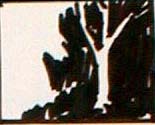
For example, a white house painted against dark trees will create a strong visual contrast, ensuring the house becomes the clear focal point. Similarly, the dark silhouette of trees against a light sky can make the trees stand out effectively.
Practical Tips to Use Contrast of Value Effectively

One useful approach is to emphasize one object by de-emphasizing another. Increasing the lightness (or value) of one object reduces its contrast with the background, thereby enhancing the prominence of a darker object nearby. Conversely, to make dark areas more visible, placing a lighter object adjacent to them increases the overall contrast.
It is also helpful to lighten or darken objects next to each other so each shape stands out clearly. For instance, a light aspens’ trunk next to dark pine trees creates distinct separation, improving the overall composition.
Using Contrast for Secondary Focal Areas
Contrast of value can also be used to create secondary focal points within a painting. By varying the amount of contrast, artists can guide the viewer’s eye through the composition in a deliberate way. However, care should be taken to avoid placing objects of similar values next to each other, as this makes both areas less distinct and can reduce visual impact.
An example from Art Tutor Hanoi’s lessons shows how lightening the robes over a figure’s head in the foreground emphasizes this area, while a darker, lower-contrast figure in the background recedes to avoid competing for attention.
Summary of Key Principles for Beginners

To summarize, the contrast of value is a powerful technique to create emphasis and clear focal points in painting. Placing the highest contrast at or close to the main subject, balancing light and dark areas, and de-emphasizing other parts ensures the viewer’s attention is directed appropriately.
For expats, travelers, or beginners seeking to improve their painting skills, understanding and applying contrast of value is a practical and effective method. Explore more about value contrast and other fundamentals in art classes in Hanoi. For further detailed insights on contrast, the National Gallery of Art offers a useful guide on contrast and emphasis in art.